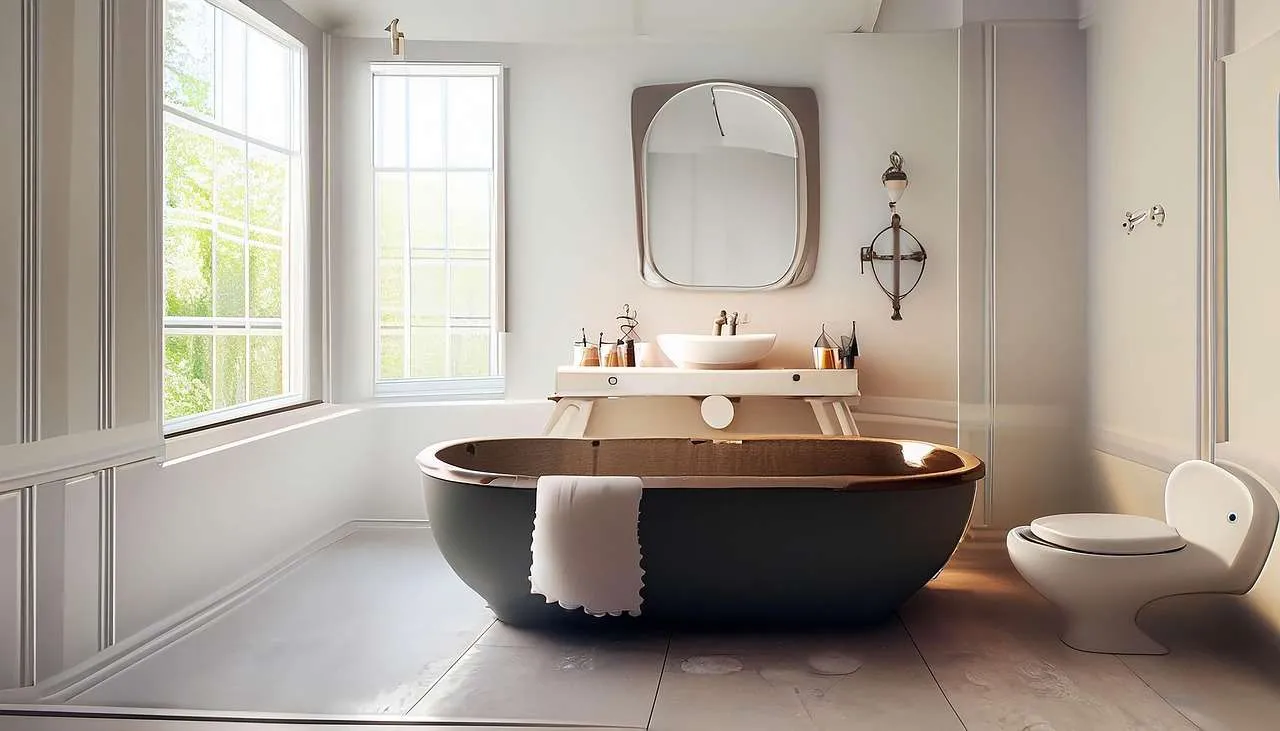
Designing a small bathroom can be challenging, yet with thoughtful planning and tailored ideas you can create a space that feels larger, more functional, and stylish. This guide offers practical small bathroom ideas grounded in layout, storage, lighting, and materials to help homeowners and designers achieve a polished result without sacrificing comfort. By focusing on how the space flows, how items store, and how light interacts with color, you can maximize every square inch while maintaining a cohesive aesthetic.
Smart layouts for small bathrooms
Start with a plan built around the shower and sink. In a compact bath aim for a clear traffic path and a minimal door swing. Consider a pocket door or a swing door placed to avoid interrupting the vanity. Position the sink against a wall with at least 30 inches of clearance and a shallow vanity to free floor space. If possible, mount the toilet and sink on opposite walls to create a functional corridor, and use a shower that fits your space such as a 32 by 60 inch stall or a compact curved model.
Think vertically. Wall mounted vanities, floating shelves, and recessed lighting draw the eye upward, making the room feel taller and less cramped. For a more open look, use a frameless glass shower enclosure to visually expand the space and reduce visual clutter.
Smart storage ideas that save floor space
In small bathrooms storage should serve function without crowding the room. Choose a wall mounted vanity with integrated drawers or doors to keep the countertop clear. Add a medicine cabinet with mirrored doors above the sink and consider a recessed niche in the shower for shampoo and soap. Open shelving above the toilet or a slim tall cabinet can hold towels and toiletries without taking away floor space. Use baskets and organizers inside drawers to keep essentials tidy and easy to reach.
Light color and mirrors to expand the space
Light colors like white, pale gray, or soft beige reflect more light and create a sense of airiness. Use large mirrors or mirrored walls to double the sense of space. Layer lighting with ceiling fixtures, vanity lights, and shower niche LEDs to remove shadows and brighten corners. Avoid heavy patterns on walls; instead, opt for subtle textures or tile graphics that elongate or widen the room.
Fixtures and finishes that maximize every inch
Choose compact fixtures: a wall hung toilet with a concealed tank, a pedestal or wall mounted sink, and a corner shower pan with a clear door. A sliding door or a pocket door saves space, while frameless glass reduces visual bulk. For tile, run the same color on the floor and walls to blur boundaries; a single color with a contrasting grout line can also create a seamless look that feels larger.
Comparison at a glance
| Idea | Best For | Pros | Cons |
|---|---|---|---|
| Wall mounted sink with storage | Small powder rooms | Keeps counter free and makes cleaning easier | May require plumbing access behind wall |
| Corner shower with clear glass | Shower spaces under 40 in | Opens sightlines and saves elbow room | Limited storage within shower |
| Recessed niches and shelves in shower | Minimalist packs | Built in storage without bulky caddies | Installation more complex |
| Thin profile vanity with drawers | Wide but shallow bathrooms | Excellent organization | Limited counter space |
Implementation checklist
- Measure carefully and plan for a 30 inch wide doorway clearance where possible
- Choose a compact toilet and wall mounted sink to free floor space
- Invest in frameless glass and light colors to enhance openness
- Work with licensed professionals for plumbing and electrical requirements
Summary A concise recap of the key points: Start with layout and door options, incorporate vertical storage, pick light colors and mirrors to expand space, choose compact fixtures and glass enclosures, and use a thoughtful table of ideas to guide decisions. With these small bathroom ideas you can achieve a stylish, functional space that feels larger than its footprint.